

CoinFractal
Advertisement
  • Home
  • Bitcoin
  • Crypto
    • Ethereum
    • Litecoin
    • Binance Coin
    • Ripple
    • Stellar
    • ChainLink
    • EOS
    • DogeCoin
  • Markets
  • Guides
  • Tools
    • Alerts
    • Charts
    • Convert
    • Apps
    • Exchange
    • Ideas
  • About us
    • Write for us
    • Advertise
    • Subscription
  • Contact Us
No Result
View All Result
  • Home
  • Bitcoin
  • Crypto
    • Ethereum
    • Litecoin
    • Binance Coin
    • Ripple
    • Stellar
    • ChainLink
    • EOS
    • DogeCoin
  • Markets
  • Guides
  • Tools
    • Alerts
    • Charts
    • Convert
    • Apps
    • Exchange
    • Ideas
  • About us
    • Write for us
    • Advertise
    • Subscription
  • Contact Us
No Result
View All Result
CoinFractal
No Result
View All Result
Home Government

Arizona Crypto ATM Law Recovers $171K From Scam Victims

Michael Johnson by Michael Johnson
August 13, 2026
in Government, News
Reading Time: 4 mins read
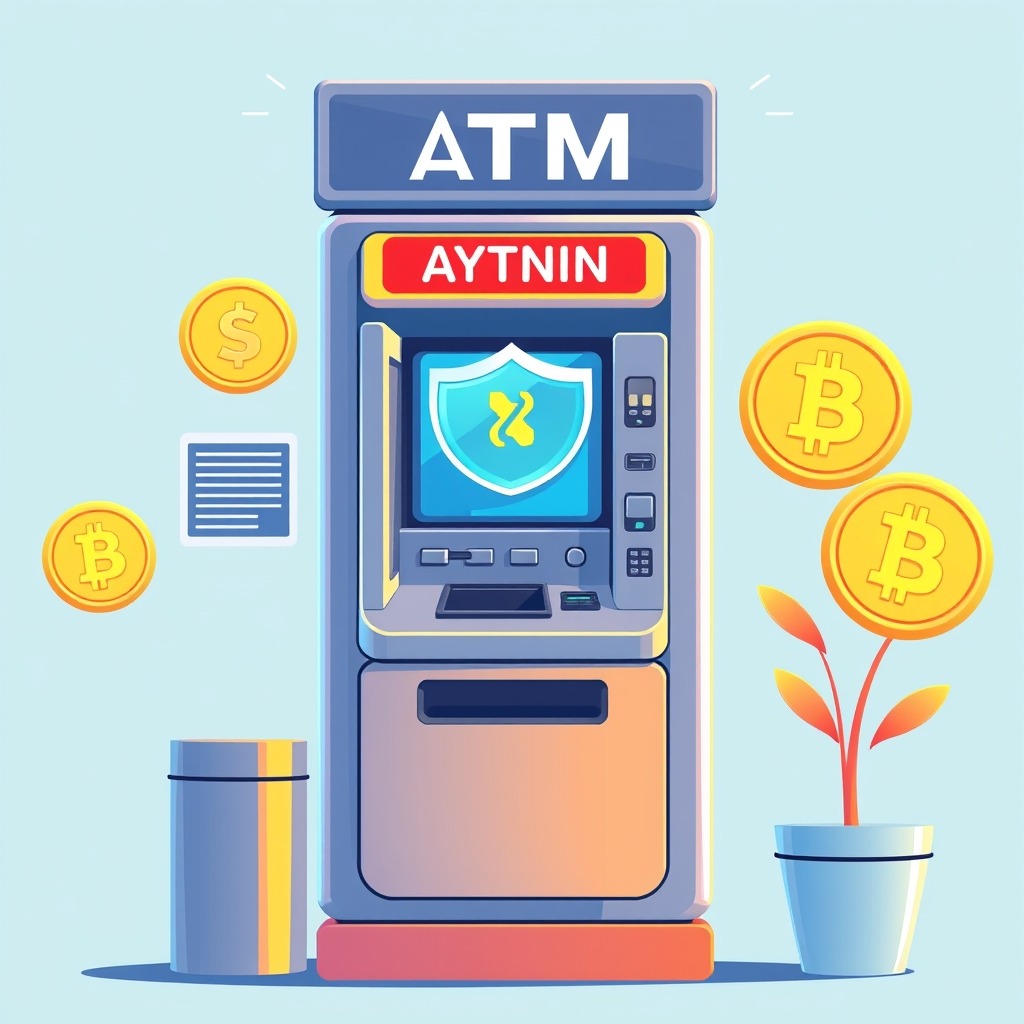
Crypto ATM regulation helping recover funds from scam victims
189
SHARES
1.5k
VIEWS
Share on FacebookShare on Twitter

Arizona’s new crypto ATM oversight law has already produced a hard number worth paying attention to: 35 scam victims recovered roughly $171,000 combined after fraudsters funneled their cash through kiosk transactions. It’s a small dataset in dollar terms, but it’s the clearest evidence yet that a crypto ATM scam problem states have been circling for years finally has a working countermeasure. For traders and everyday holders alike, this matters because kiosks remain one of the easiest on-ramps for social-engineering fraud in the entire digital asset ecosystem.

What Happened

Arizona recently enacted legislation specifically targeting cryptocurrency ATMs, also called kiosks, after regulators and consumer-protection advocates flagged them as a recurring vector in scam cases. The law layers in several safeguards: mandatory fraud warnings displayed at the machine before a transaction completes, transaction limits designed to slow down large one-time cash-to-crypto conversions, refund windows for first-time users, and clearer receipt and disclosure requirements so victims and investigators have a paper trail to work from.


Related articles

Regulators sue Goliath Ventures over alleged $400M crypto Ponzi scheme

SEC and CFTC Sue Goliath Ventures Over Alleged $400M Crypto Ponzi

August 12, 2026
AI-assisted cyber threat targeting crypto firms

North Korea’s Kimsuky Turns to AI to Target Crypto Firms

August 11, 2026

Those provisions are what allowed the 35 recoveries to happen. In a typical kiosk scam, a victim is contacted by someone impersonating a government agency, a tech support line, or a romantic interest in a long-running “pig butchering” scheme, and instructed to withdraw cash and feed it into a nearby crypto ATM. The machine converts the cash to crypto and sends it directly to a wallet the scammer controls, often within minutes. Once the transaction clears the blockchain, recovery is normally close to impossible. Arizona’s refund-window and limit provisions created a narrow but real opportunity to intervene before funds moved beyond reach, which is exactly the kind of structural fix that has been missing from most enforcement efforts, including the broader multi-agency crackdowns on crypto fraud networks that tend to target scammers after the money is already gone.

What It Means for Traders

For active traders, this isn’t a headline about token prices or market structure, but it is a signal about where regulatory attention is heading next. Crypto ATMs have operated in a comparatively loose regulatory lane compared to centralized exchanges, which already carry KYC, transaction monitoring, and reporting obligations. As states like Arizona demonstrate that targeted kiosk rules can produce measurable victim recoveries, expect more legislatures to follow with similar frameworks, and expect kiosk operators to face rising compliance costs that could reshape where and how machines are deployed.

There’s also a practical takeaway for anyone who transacts through kiosks for legitimate reasons, whether that’s converting cash for a wallet top-up or accessing crypto in an area with limited exchange access. Fraud warnings and transaction caps add friction, but that friction is the point. Traders who rely on kiosks for speed should factor in that some states will now cap how much can move through a single machine in a single session, and that identity verification at kiosks is likely to tighten further as more jurisdictions study Arizona’s results.

The Bigger Picture

Crypto ATMs became a preferred scam funnel precisely because they combine the anonymity of cash with the irreversibility of blockchain transactions in a single, low-friction step. Unlike a bank wire, there’s no cooling-off period; unlike a card payment, there’s no chargeback. That combination made kiosks attractive to fraud rings running romance scams, fake law-enforcement calls, and impersonation schemes at scale, and it’s part of why federal cases continue to surface large sums tied to crypto fraud, including cases where prosecutors have pursued multimillion-dollar forfeitures tied to laundering networks that moved victim funds through digital assets.

Arizona’s approach represents a shift in strategy from prosecuting fraud after the fact to designing friction into the transaction itself, and early regulators in other states are watching closely. Some jurisdictions have gone further, restricting kiosk operating hours or capping daily deposits outright, while others are weighing outright bans in response to persistent scam complaints. Whichever direction individual states take, the throughline is the same: crypto ATMs are no longer treated as neutral infrastructure, and operators who don’t build in consumer protections voluntarily are increasingly having them mandated. For users navigating this landscape, understanding the basics of how transactions and wallets actually work remains one of the best defenses, something covered in more depth in a broader guide to blockchain and crypto security fundamentals.

The $171,000 recovered in Arizona won’t make headlines the way a nine-figure exchange hack does, but it’s a meaningful proof of concept. It shows that thoughtful, narrowly targeted regulation at the point of transaction can actually claw back victim funds, not just punish perpetrators after the damage is done. Expect this case study to shape kiosk legislation well beyond Arizona’s borders over the next year.

This article is informational only and does not constitute financial advice.

Share76Tweet47
Previous Post

Staking ETF Rewards: How Grayscale’s $1.1B Payout Engine Works

Michael Johnson

Michael Johnson

Michael is chief editor for Coinfractal.

Related Posts

Regulators sue Goliath Ventures over alleged $400M crypto Ponzi scheme

SEC and CFTC Sue Goliath Ventures Over Alleged $400M Crypto Ponzi

by Michael Johnson
August 12, 2026
0

The SEC and CFTC jointly sued Goliath Ventures over an alleged $400M crypto Ponzi scheme that promised liquidity-pool yields but...

AI-assisted cyber threat targeting crypto firms

North Korea’s Kimsuky Turns to AI to Target Crypto Firms

by Michael Johnson
August 11, 2026
0

North Korea's hackers are adding AI to their toolkit, and crypto firms sit squarely in the blast radius. The state-linked...

South Korea crypto exchange regulation and digital asset seizure rules

South Korea’s New Seizure Rules Put Crypto Exchanges on a Clock

by Michael Johnson
August 11, 2026
0

South Korea is moving to give civil creditors a direct claim on crypto held by exchanges, and custodians could be...

US Capitol and digital asset regulation illustration for the CLARITY Act Senate vote

CLARITY Act Vote: What the Sept. 15 Deadline Means for Traders

by Michael Johnson
August 10, 2026
0

A Sept. 15 CLARITY Act vote could reshape US crypto market oversight. Here's what traders need to know about the...

Canceled corporate crypto treasury deal illustration

Trump Media’s $6.4B Crypto.com Treasury Venture Is Canceled

by Michael Johnson
August 9, 2026
0

Trump Media and Crypto.com have scrapped a planned $6.4 billion digital-asset treasury venture, unwinding one of the largest crypto projects...

Load More
  • Trending
  • Comments
  • Latest
Disabled Apes Community Project to Mint NFT Collection To Support The Disabled

Disabled Apes Community Project to Mint NFT Collection To Support The Disabled

May 15, 2022

$COTI Token Looks Poised For Bullish Price Action,, Following Announcement of Upcoming COTI Pay, Physical Debit Cards

May 13, 2021

Coinbase Users Can Now Gamify Their Experience Through League of Traders Integration

June 25, 2021
Coinsfera Opens Crypto OTC Trading Desk In Dubai

Coinsfera Opens Crypto OTC Trading Desk In Dubai

May 15, 2022

PayPal Users Can Now Check Out With Crypto

0

Global Financial Regulators Now Eyeing Defi, Altering Guidance Wording To Accommodate NFT’s

0

Mercury FX, & Ripple Launch Remittances Pilot In South Africa, Also Inducted Into IFWG Sandbox

0

FTSE Russell’s Portfolio Allocation Strategy For Institutional Investors, Targeted At Mitigation Volatility Risk

0
Crypto ATM regulation helping recover funds from scam victims

Arizona Crypto ATM Law Recovers $171K From Scam Victims

August 13, 2026
Grayscale converting staked crypto rewards into recurring ETF payouts

Staking ETF Rewards: How Grayscale’s $1.1B Payout Engine Works

August 13, 2026
Bank of England testing digital pound and stablecoin interoperability

Digital Pound Stablecoin: BoE Tests CBDC Interoperability

August 13, 2026
Fidelity Ethereum staking ETF offering quarterly cash payouts

Fidelity’s Ethereum ETF Staking Plan: What Traders Need to Know

August 13, 2026
coinfractal logo

CoinFractal is cryptocurrency trading news, insights, and market forecast platform.

Categories

  • Altcoins
  • Apps
  • Bitcoin
  • Blockchain
  • Business
  • CBDC
  • ChainLink
  • Crypto
  • Defi
  • DogeCoin
  • EOS
  • Ethereum
  • Ethereum
  • Events
  • Government
  • Guides
  • Ideas
  • Insights
  • Litecoin
  • Litecoin
  • Markets
  • Metaverse
  • Metaverse
  • Mining
  • News
  • NFT
  • Press Release
  • Ripple
  • Solana
  • Stellar
  • Technical Analysis

Tags

$BTC $ETH Adoption Altcoin Altcoins Binance Bitcoin Blockchain Bullish Action CFTC China Crypto Cryptocurrency crypto regulation Crypto Security Defi Digital Assets Ethereum Exchange Listing Exchanges Fintech Institutional Adoption institutional crypto Institutions Investment Liquidity macro Market Analysis Markets Market Stories Market Structure NFT Prediction Markets Price Action Regulation Research RWA Self-Custody Solana stablecoins tokenization Trading USDC Volatility XRP

Newsletter

The most important world news and events of the day

Be the first to know latest important news & events directly to your inbox.

By signing up, I agree to our TOS and Privacy Policy.

  • About us
  • FAQ
  • Contact Us
  • Cookie Policy
  • Privacy Policy
  • Terms and conditions
  • Disclaimer

© Copyright 2026, All Rights Reserved by CoinFractal. Made by Mobile & Web Development Company - Ingenium Web

No Result
View All Result
  • Home
  • Bitcoin
  • Crypto
    • Ethereum
    • Litecoin
    • Binance Coin
    • Ripple
    • Stellar
    • ChainLink
    • EOS
    • DogeCoin
  • Markets
  • Guides
  • Tools
    • Alerts
    • Charts
    • Convert
    • Apps
    • Exchange
    • Ideas
  • About us
    • Write for us
    • Advertise
    • Subscription
  • Contact Us

© Copyright 2026, All Rights Reserved by CoinFractal. Made by Mobile & Web Development Company - Ingenium Web

This website uses cookies. By continuing to use this website you are giving consent to cookies being used. Visit our Privacy Policy.