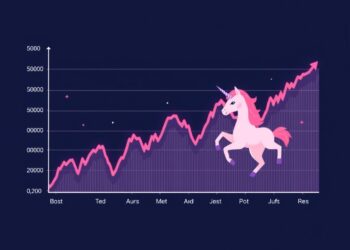



Solana network activity just hit a new high, with the chain processing 5.2 billion transactions in August — even as its revenue collapsed 87% from a year earlier. That split between soaring usage and shrinking fees is the number traders should sit with, because it reframes what “activity” on Solana is actually worth. The memecoin fee boom that once inflated revenue has faded, but the transactions kept coming.
What Happened
August set a record for raw throughput on Solana, yet the fees and revenue those transactions generated fell sharply against the prior year. The reason is composition. A year ago, a frenzied memecoin trading cycle pushed users to pay up in priority fees to get their transactions included during periods of congestion. That premium has largely evaporated.

What is left is a higher baseline of everyday activity — payments, stablecoin transfers, DeFi swaps, and app usage — running at much lower fee levels. In other words, Solana is busier than ever while monetizing each transaction far less than it did at the speculative peak.
What It Means for Traders
Usage and revenue are telling two different stories, and traders should not conflate them. Record throughput signals genuine adoption and network stickiness. But an 87% revenue drop is a reminder that a large share of last year’s economic activity was tied to a single, transient narrative rather than durable demand. This is not the first time we have watched that dynamic play out, as when Pump.fun revenue slowed and reshaped the Solana landscape.
For anyone weighing SOL, the healthier read is that transaction counts are becoming a cleaner proxy for real usage now that the fee froth has drained out. Solana previously showed it could hit records above 4.2 billion transactions during a strong SOL rally, so a fresh high above 5 billion extends that trend — just without the same revenue tailwind. Watch whether lower per-transaction fees translate into wider, more sustainable adoption.
The Bigger Picture
The divergence highlights a maturing question for all high-throughput chains: is the goal maximum fee extraction or maximum useful activity? Cheap, abundant blockspace is arguably the point of Solana’s design, and a world where billions of transactions clear at low cost is a feature for users even if it compresses short-term revenue.
It also matters for how institutions frame the asset. Solana has drawn serious allocator interest — it recently became GSR’s top allocation, ahead of Bitcoin and Ether — and those investors care about durable network effects more than a single quarter’s fee spike. Consistent, low-cost throughput could ultimately be a stronger long-term signal than the memecoin-era revenue ever was.
The Bottom Line
Solana’s record 5.2 billion transactions against an 87% revenue decline is not a contradiction — it is the network’s economics normalizing after a speculative surge. Traders should treat throughput as a sign of real adoption while keeping revenue trends in view as a separate gauge of how that activity is being monetized.
This article is informational only and does not constitute financial advice.