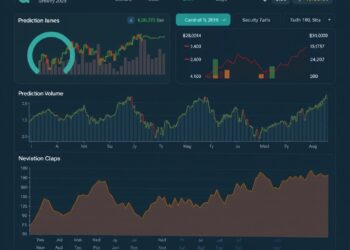



A dashboard tracking activity on the XRP Ledger dropped a number this week that crypto traders should sit with for a moment. On September 8, 2026, analytics group t54 published data showing AI agents had pushed through roughly 4.5 million micro-payments on the network, yet only about 5,837 XRP tokens were actually settled in the process. For anyone using XRP Ledger AI agents and rising transaction counts as a proxy for token demand, that gap is the real headline, not the 4.5 million figure itself.
What Happened
The t54 dashboard broke down what those millions of transactions actually consisted of, and the picture looks very different from a typical retail trading surge. Most of the activity came from automated agents settling tiny obligations, things like data access fees, API calls, and machine-to-machine service payments, rather than anyone accumulating XRP as an asset. Of the roughly 4.5 million payments counted, only about 5,837 XRP was settled in the native token, alongside roughly 4,125 RLUSD, Ripple’s dollar-pegged stablecoin, moving through the same rails.

That split matters. RLUSD is designed specifically to give institutions and automated systems a way to move value on the XRP Ledger without taking on XRP’s price exposure, and Ripple has been actively expanding where and how the stablecoin gets used, including through its recent move into Singapore’s regulatory sandbox to test RLUSD in a live financial environment. When AI agents need to settle small, frequent payments, a stable-value asset is the more practical choice, which helps explain why RLUSD volume outpaced XRP settlement even as total transaction counts soared.
What It Means for Traders
The core lesson here is a distinction traders should keep applying across every chain, not just XRPL: transaction count and token demand are not the same metric. A network can process millions of payments without a meaningful amount of the native token ever being bought, held, or removed from circulating supply. Micro-payments from bots are often fee-negligible and settle in whatever asset is cheapest or most stable to move, which on XRPL increasingly means RLUSD rather than XRP itself.
That doesn’t make the activity meaningless, but it does mean traders should be careful about reading raw usage statistics as a bullish signal for XRP specifically. Actual buying pressure tends to show up in different data entirely, such as the pattern of XRP ETF inflows this September, where capital is directly allocated into vehicles holding the token. Comparing that kind of flow data against on-chain transaction counts gives a much clearer read on where real demand is coming from versus where the ledger is simply being used as cheap settlement infrastructure.
The Bigger Picture
What the t54 dashboard is really capturing is the early shape of agentic commerce, machines transacting with other machines at high frequency and low value, using blockchain rails because they’re fast, programmable, and don’t require a traditional banking relationship. XRPL has positioned itself as infrastructure for exactly this kind of automated settlement, and growing RLUSD volume suggests that positioning is working on some level.
But infrastructure adoption and token demand can move on entirely separate timelines. A ledger can become genuinely useful for automated payments while the native token stays a small, optional part of that activity rather than a required one. Traders who conflate the two risk building a thesis on a metric, transaction volume, that doesn’t behave the way price-driving demand does.
The more useful habit going forward is separating narrative from numbers on a per-metric basis. When headlines cite millions of transactions or surging network activity, it’s worth asking what asset actually settled those transactions and in what size. On XRPL right now, the answer skews heavily toward stablecoins and negligible XRP amounts, which is a very different story than the one implied by the raw payment count alone.
This article is informational only and does not constitute financial advice.