


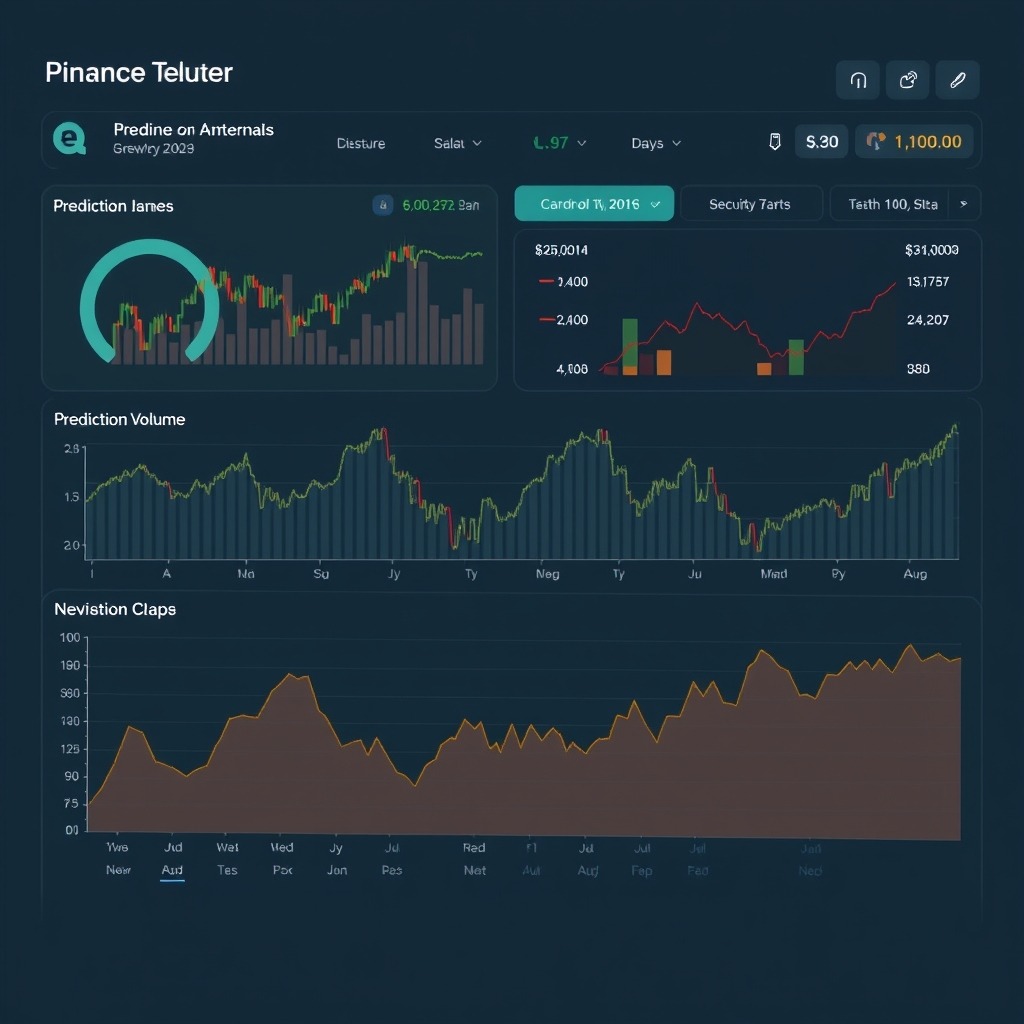
Prediction market trading volume just posted its steepest pullback of the year, sliding roughly 35% as a post-World Cup lull settled over the sector. Polymarket, the category’s largest platform, watched monthly volume fall from close to $7.89 billion down to $4.59 billion, while Kalshi and smaller rivals cooled off alongside it. For traders sizing up prediction markets as a serious venue rather than a novelty, the drop is a blunt reminder that this asset class still runs on event catalysts, not steady organic demand.
What Happened
The numbers tell a simple story. Polymarket’s core platform absorbed the bulk of the decline, with volume nearly halving from its World Cup-era peak. Kalshi, the CFTC-regulated exchange that has been pulling in sports and political bettors alongside crypto-native traders, saw its own activity cool, and the broader prediction-market category followed the same downward path. None of this happened in isolation. A major global sporting event cycle had spent weeks pulling in casual bettors, sports fans, and speculative traders who treat outcome contracts the way they’d treat a parlay bet, and once the tournament wrapped, that flow simply stopped showing up.


That pattern is not new to anyone who has watched these platforms through an election cycle or a championship run. Volume spikes hard around a single marquee event, then falls off a cliff once the outcome is decided and there is no equally compelling contract to replace it. The size of this particular drop, though, is a useful data point for anyone trying to model what a normal trading month looks like once the hype fades.
What It Means for Traders
For active traders, the practical takeaway is liquidity risk. When headline volume drops by a third, order books on all but the most popular contracts get thinner, bid-ask spreads widen, and it becomes harder to enter or exit a position at a fair price without moving the market yourself. Traders who got comfortable sizing positions during the World Cup rush need to recalibrate for a quieter tape, where fewer counterparties are actively quoting and slippage is a bigger factor in the actual return on a trade.
It also reframes how prediction markets should be classified as an asset class. Unlike equities or major crypto pairs, which tend to maintain a baseline of trading activity even in quiet periods, prediction markets appear to be almost entirely calendar-driven, surging around elections, championships, or major macro releases and going dormant in between. That has real implications for anyone using these venues for hedging or information trading rather than one-off speculation. The institutional interest building around the sector, including Charles Schwab’s move into prediction markets, suggests larger players are betting the liquidity gaps will narrow over time as more contract types and more consistent order flow come online.
The Bigger Picture
Zoom out and the volume swing looks less like a warning sign and more like a growing pain for a category that is still figuring out its own rhythm. Kalshi’s continued push toward the mainstream, including reported IPO talks that would bring prediction markets closer to traditional finance, points to a sector trying to build infrastructure that can outlast any single event cycle. Regulatory momentum is moving in a similar direction: a federal court recently blocked Minnesota’s attempt to ban prediction-market trading, reinforcing the legal footing these platforms need to expand beyond sports and elections into steadier categories like economic data and corporate outcomes.
The open question is whether platforms like Polymarket and Kalshi can diversify their contract calendars enough to smooth out these swings, the way options markets maintain baseline activity even outside of earnings season. Until that happens, traders should expect prediction-market volume to keep moving in sharp cycles tied to the next big catalyst rather than settling into the kind of steady, day-to-day liquidity seen in more established markets.
The 35% pullback is not evidence that prediction markets are losing relevance; it is evidence that the category is still young enough to be almost entirely event-dependent. Traders who understand that cyclicality, and size their activity accordingly, will be better positioned than those who assume World Cup-level volume is the new normal.
This article is informational only and does not constitute financial advice.