The Bitcoin price held near local highs around $65,000 after President Donald Trump said a US-Iran peace deal would be signed Sunday and that the Strait of Hormuz would “open to all.” For traders, the move is less about a single headline and more about how quickly a fading geopolitical risk premium can change the tone across crypto and global markets.
What Happened
Bitcoin stayed close to recent highs as news of a fresh US-Iran peace pledge filtered through markets, according to CoinTelegraph. Trump framed the agreement as imminent and pointed specifically to the Strait of Hormuz remaining open to global shipping.

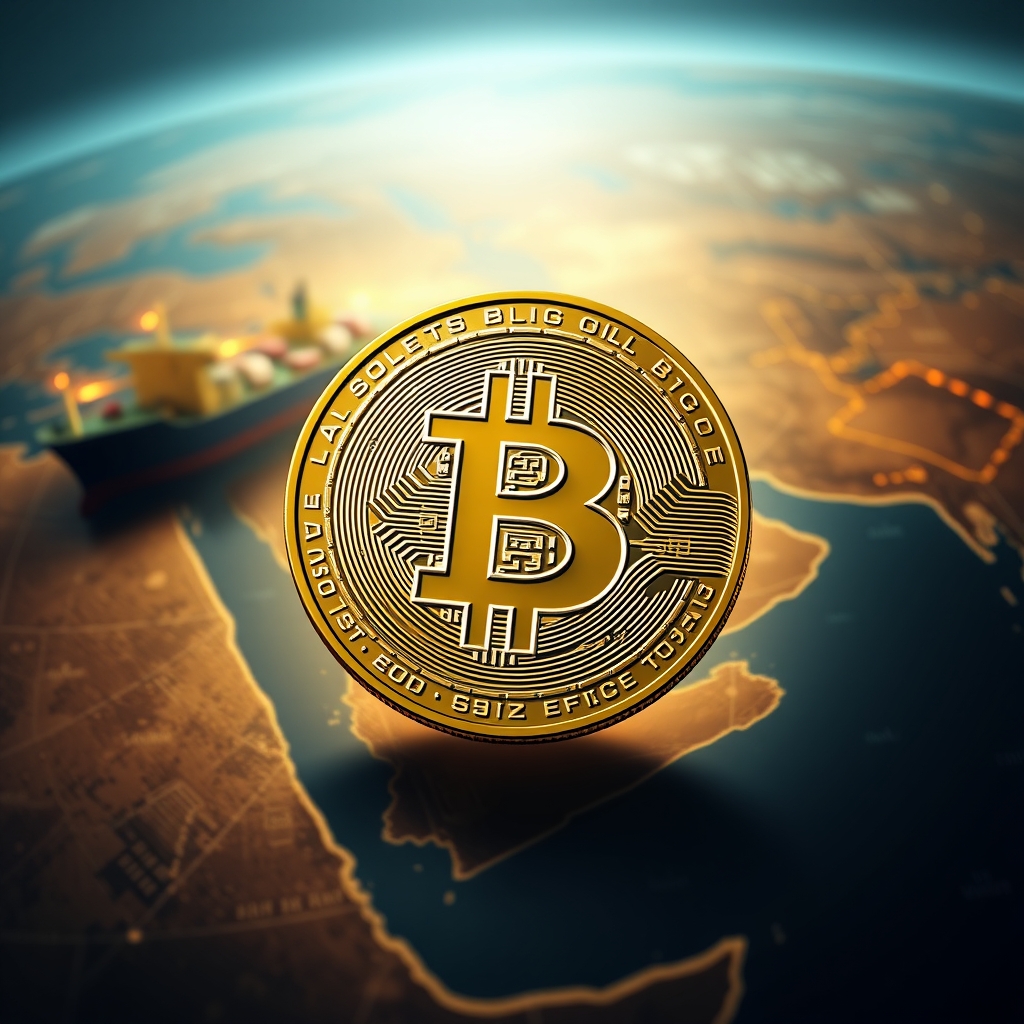
The Strait of Hormuz matters far beyond crypto. Roughly a fifth of the world’s oil passes through the narrow waterway, so any threat to it tends to push energy prices and broad market volatility higher. A credible pledge to keep it open does the opposite, removing a tail risk that had been hanging over risk assets.
Some analysts cited in the original report read the backdrop as supportive of a sustained rebound, with conditions looking more constructive for Bitcoin than they had during the prior risk-off stretch.
What It Means for Traders
Bitcoin increasingly trades as a macro asset, so geopolitical de-escalation tends to lift it alongside equities rather than in isolation. When a war-risk premium drains out of oil and volatility indexes, capital often rotates back toward higher-beta assets, and crypto sits firmly in that bucket.
The practical takeaway is to watch correlations, not just the chart. If oil and the dollar soften while equity volatility cools, that combination has historically given Bitcoin room to breathe. The risk is symmetrical: headlines around a deal can reverse quickly, and a “signed Sunday” promise is not a signed deal.
Traders should also separate the catalyst from the trend. A relief rally driven by easing tensions can fade if there is no follow-through in flows, on-chain demand, or spot ETF activity. Confirmation matters more than the initial reaction.
The Bigger Picture
This episode is another reminder that Bitcoin no longer trades in a vacuum. Macro and geopolitics now sit alongside halving cycles and ETF flows as primary drivers of price behavior. The same maturation that brought institutional capital also tied Bitcoin more tightly to the global risk cycle.
For longer-term market participants, the signal is structural: events in the Middle East, decisions at the Federal Reserve, and shifts in the dollar can move crypto as much as anything happening on-chain. Building a market view increasingly means tracking both.
Conclusion
A pledged Iran peace deal and an open Strait of Hormuz removed a layer of geopolitical risk, and Bitcoin held its ground near $65,000 in response. Whether that becomes a durable move depends on confirmation from macro data and crypto-native flows rather than a single weekend headline. For traders, the watchlist is clear: oil, volatility, the dollar, and whether the deal is actually signed.
This article is informational only and does not constitute financial advice.