


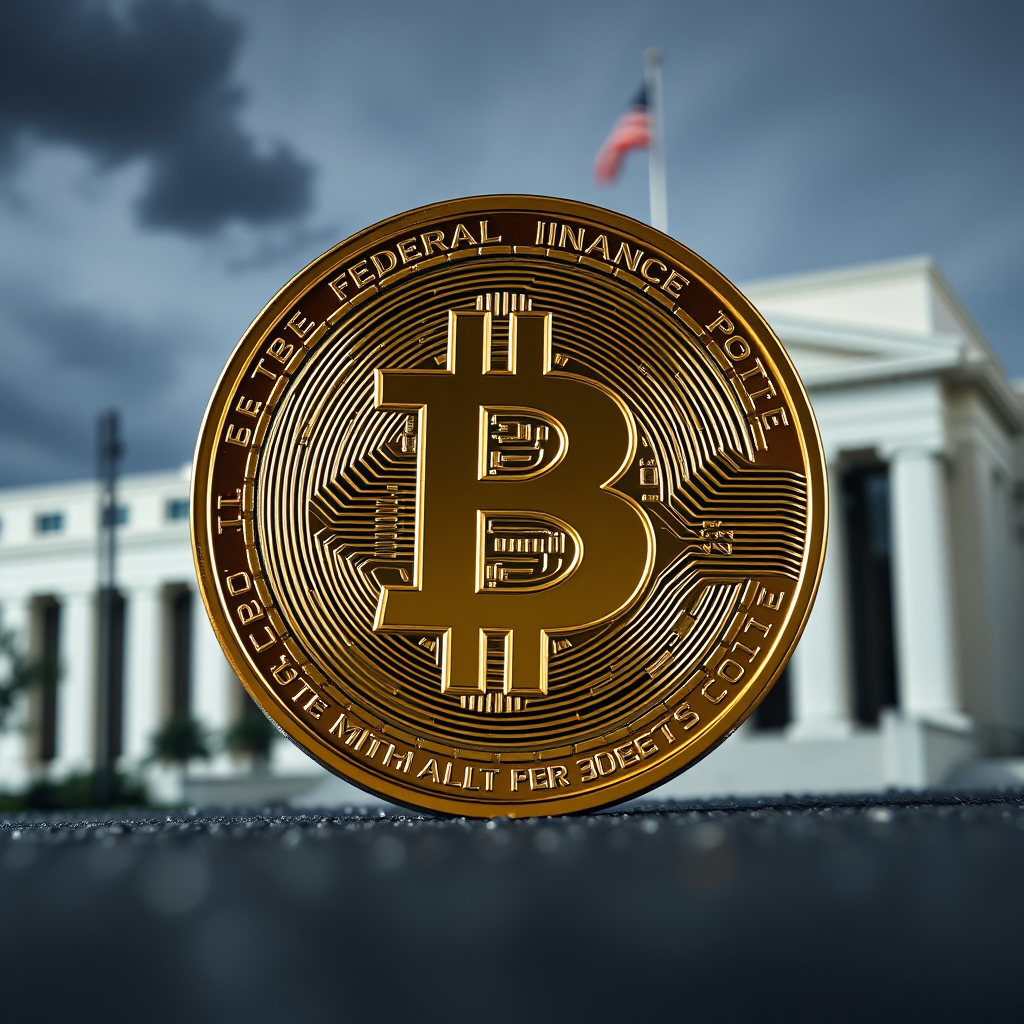
The Bitcoin Iran rally was built on a framework, not a finished deal — and that distinction now defines the next two months of risk. Traders bid Bitcoin higher on a US-Iran memorandum of understanding signed before any of its harder terms were resolved, with a 60-day window opening for negotiators to settle the nuclear question and sanctions relief. As Brent crude cools off, the geopolitical premium is fading and the market’s attention is rotating squarely back to the Federal Reserve.
What Happened
Iran’s foreign minister signaled that formal negotiations with the United States would begin the same day both sides signed the memorandum, with a 60-day window afterward to resolve the nuclear issue and unlock sanctions relief. Crucially, Bitcoin reacted to the existence of the framework itself rather than to any settled outcome — a classic case of the market pricing the headline ahead of the fine print.


Oil told the cleaner story. Brent crude, which had spiked on conflict fears, slid back as the de-escalation framework took hold. With the energy-shock scenario draining out of prices, the macro driver that had been pushing risk assets around lost its grip — leaving Bitcoin without the oil-price tailwind that had partly fueled its move.
What It Means for Traders
The setup is a textbook “buy the framework” trade that now has to survive a long, uncertain confirmation period. A 60-day window is plenty of time for the deal to wobble, stall, or unravel — and every headline inside that window becomes a potential volatility trigger. Positioning into a memorandum is not the same as positioning into a signed, enforced agreement.
With the oil premium deflating, the dominant variable shifts back to monetary policy. That hands the steering wheel to the Fed at a delicate moment, and the market is still digesting how the new leadership reads the data — a dynamic we unpacked after Kevin Warsh’s first Fed decision rattled crypto markets. Rate expectations, not the Strait of Hormuz, are likely to set the tone into the back half of the quarter.
For risk management, that means watching two clocks at once: the diplomatic 60-day timeline and the Fed’s data calendar. A geopolitical relief rally that loses its catalyst can give back gains quickly if rate-cut hopes keep fading and liquidity stays defensive.
The Bigger Picture
Bitcoin’s behavior here reinforces a theme that has run through 2026: the asset trades increasingly like a macro instrument, sensitive to oil, rates, and liquidity rather than to crypto-native catalysts alone. The Iran framework was a geopolitical spark, but the durability of any move depends on whether the broader liquidity backdrop turns supportive — the same question we examined in our look at spot liquidity and capitulation.
If the memorandum holds and sanctions relief materializes, the de-risking could free up global capital flows in ways that eventually benefit risk assets. If it fractures, the oil shock fears come straight back. Either way, the 60-day clock turns Bitcoin into a real-time referendum on whether diplomacy or the Fed dominates the macro narrative.
Conclusion
Bitcoin’s Iran-driven move bought the market some optimism, but it borrowed that optimism against an unfinished agreement. With oil cooling and the catalyst maturing into a two-month waiting game, the path of least resistance runs through the Fed. Traders who keep both the diplomatic and monetary timelines in view will be better positioned to read which headline is actually driving price on any given day.
This article is informational only and does not constitute financial advice.