


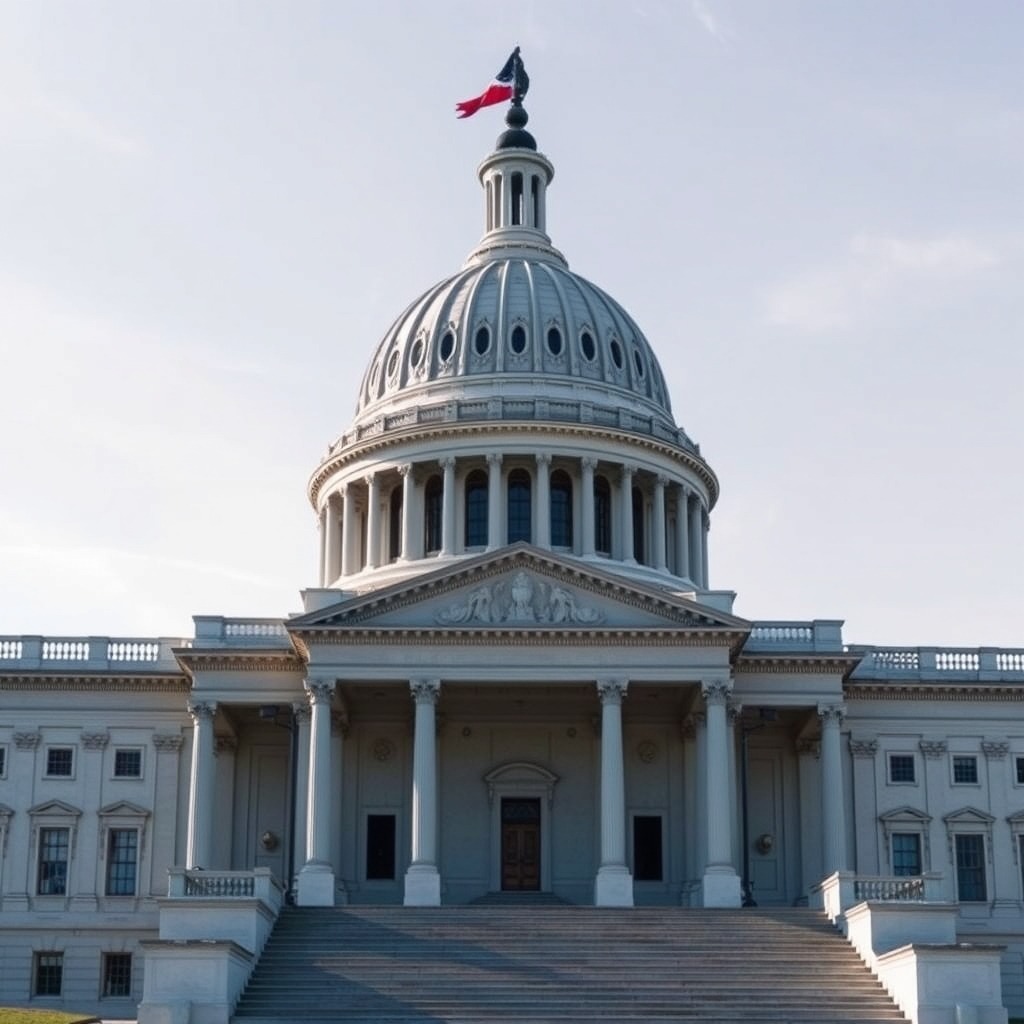
The CLARITY Act has failed to advance in the Senate, leaving the United States without the comprehensive crypto market-structure framework the industry spent two years chasing. The measure fell short of the 60 votes needed to invoke cloture on the motion to proceed with H.R. 3633, and for traders that means the regulatory limbo defining most of 2026 is set to continue into an election-charged fall.
What Happened
A final round of bipartisan negotiations broke down before the vote, and several Democrats who had helped shape the bill ultimately refused to move it forward. Without their support, the motion to proceed never reached the cloture threshold, stalling the most consequential US crypto market-structure legislation before it could even open for floor debate.


The sticking point was not the market-structure text itself but a widening fight over crypto-related ethics rules tied to the current administration. That political overhang gave wavering senators a reason to withhold their votes, and the coalition that once looked capable of clearing 60 simply did not hold together when it counted.
Markets reacted quickly. Crypto-linked equities slid on the session, and Bitcoin drifted toward a September low as traders priced in a longer wait for federal rules. The defeat capped weeks of shifting odds that we tracked closely in our coverage of the bill’s earlier setbacks.
What It Means for Traders
The immediate effect is that the SEC and CFTC continue to define crypto’s boundaries through enforcement and case-by-case guidance rather than a clean statutory line between securities and commodities. That keeps a familiar risk premium on tokens whose legal classification remains contested, and it prolongs the uncertainty that has kept some institutional desks cautious.
Volatility around headline votes is now a recurring feature rather than a one-off. Traders who watched the run-up saw positioning tighten ahead of the deadline, exactly the dynamic we flagged in our preview of the September vote. Expect similar reflexivity each time the bill resurfaces, with sharp moves in both directions as expectations reset.
It also matters which assets carry the most legal ambiguity. Large-cap names with clearer commodity-style treatment tend to shrug off these events faster, while smaller tokens facing open classification questions can stay under pressure longer. The absence of a framework does not change fundamentals overnight, but it does keep the discount attached to regulatory risk firmly in place.
The Bigger Picture
Even without CLARITY, the regulatory machine keeps turning. Both agencies have signaled they will keep shaping rules through existing authority, a path we examined in our look at how the CFTC and SEC are filling the gap. That means the market is not ungoverned; it is governed unpredictably, which is arguably harder to price than a clear if imperfect statute.
The political calendar now works against quick resolution. With the bill entangled in an ethics dispute and an election cycle intensifying, any revived effort will have to survive an even more polarized environment. Industry lobbying will not disappear, but the window for a bipartisan compromise appears narrower than it did just weeks ago.
The longer view is that the US remains an outlier among major jurisdictions that have already codified crypto rules. Every stalled attempt widens the gap and strengthens the case for builders and capital to gravitate toward clearer regimes abroad, a structural drift that compounds well beyond any single vote.
Conclusion
The CLARITY Act’s collapse resets the clock rather than ending the story. Traders should treat continued regulatory ambiguity as the base case heading into the fall, watch for the next legislative window, and expect each revival attempt to bring its own burst of volatility. The framework crypto wanted is still on the table, but it is now further away than it looked a month ago.
This article is informational only and does not constitute financial advice.