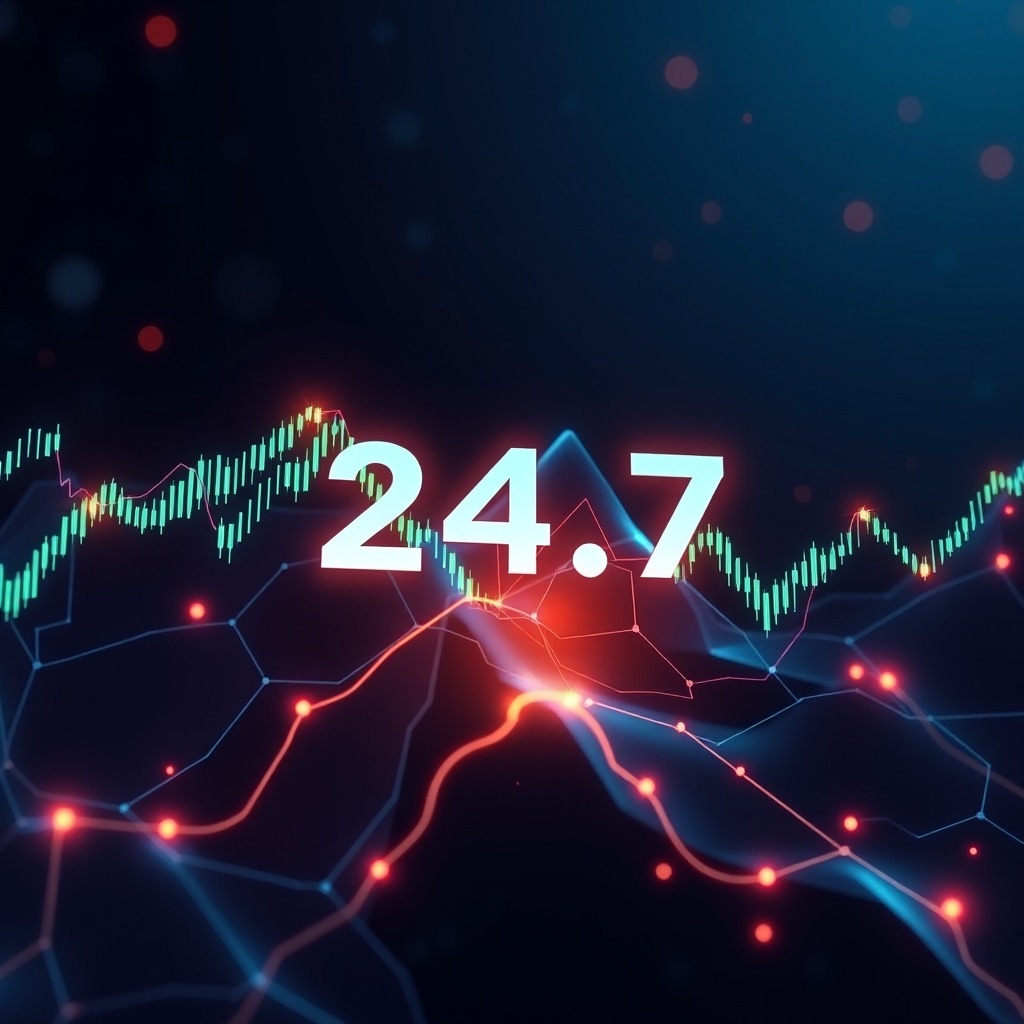
Round-the-clock Solana tokenized stocks could give the network a genuine real-world use case, letting investors trade equity exposure at any hour rather than within traditional market windows. But a fresh use case does not automatically translate into stronger demand for SOL. Here are three signals traders can watch to separate real traction from headline momentum.
What Happened
Solana is positioning itself as a venue for 24/7 tokenized stock trading, pitching its speed and low fees as a fit for markets that never close. The idea taps a growing trend of bringing equities and ETFs on-chain, where settlement is continuous and access is not gated by exchange hours.

The pitch is credible on infrastructure. Solana has repeatedly demonstrated high throughput, and always-on trading is exactly the kind of workload that showcases a fast chain. The open question is whether activity on the network converts into durable value for the token that secures it.
What It Means for Traders
The first signal is real usage versus raw transaction counts. High activity is not the same as high value capture — a gap our coverage of Solana processing billions of transactions while revenue fell sharply made clear. Watch whether tokenized-stock volume brings fees and users that stick, not just spikes in throughput.
The second signal is competition. Tokenized equities are not a Solana exclusive; rivals are shipping similar products, from Coinbase’s tokenized stocks on Base to platforms adding large catalogs like Blockchain.com’s 173 tokenized stocks and ETFs. The third signal is liquidity depth: continuous trading only helps if spreads stay tight and order books hold up outside traditional hours.
The Bigger Picture
Tokenization of real-world assets is one of the more concrete narratives in crypto, and equities are a natural target. If Solana captures meaningful share, it strengthens the case for the network as financial infrastructure rather than a speculative venue. That distinction matters for how the market frames the chain over the long term.
Still, the link between network utility and token value is not automatic. Fee capture, staking dynamics, and competitive positioning all sit between “useful chain” and “stronger SOL,” and each can move independently. Traders who conflate the two risk misreading the setup.
The pragmatic approach is to treat 24/7 tokenized trading as a thesis to be tested against these three signals over time, not a settled catalyst. The data will show whether the use case is compounding or just cycling through attention.
This article is informational only and does not constitute financial advice.