


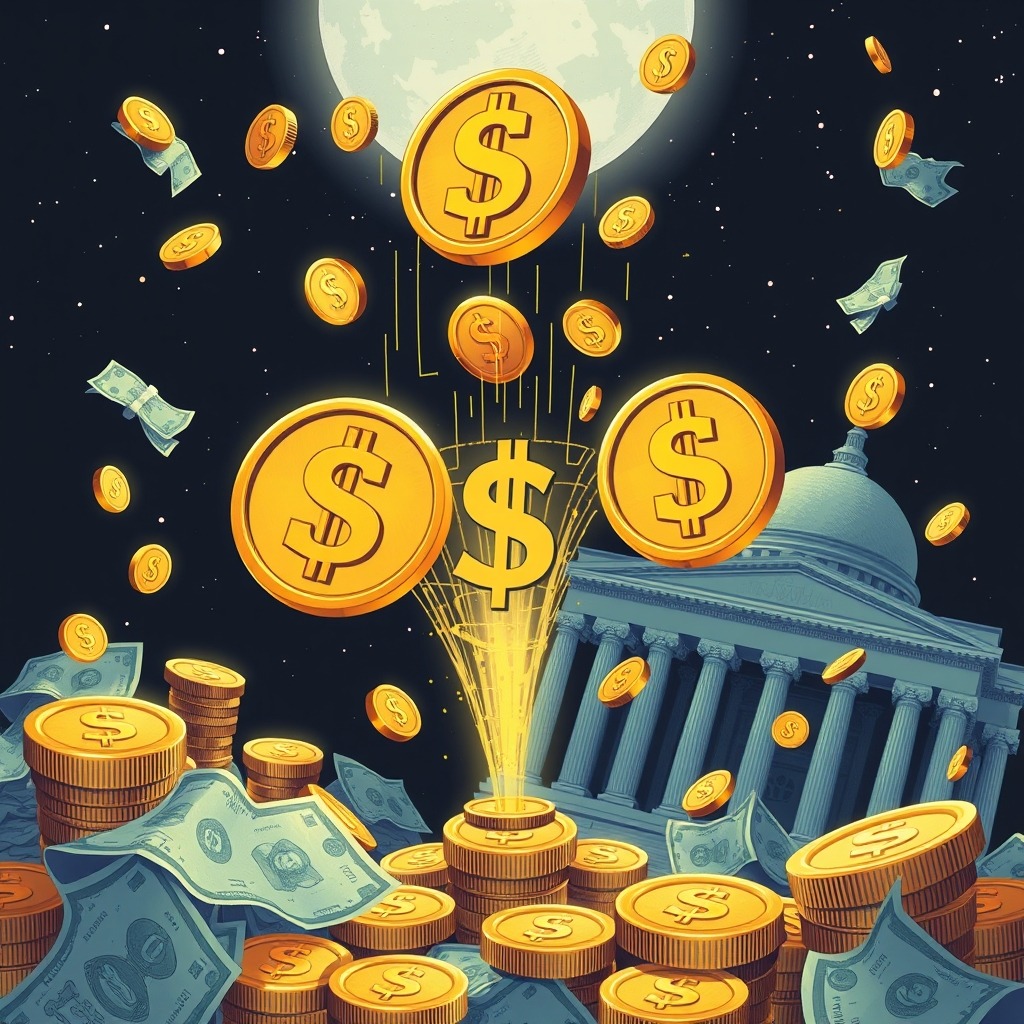
The link between stablecoins and dollar dominance just got a notable endorsement. A Bank of England policymaker argued that the growth of digital dollars could widen access to the US currency worldwide while turning stablecoin issuers into ever-larger buyers of government debt. For traders, the comment matters because it reframes stablecoins as a macro force, not just a settlement tool.
What Happened
Speaking on the future of digital money, the BoE official said dollar-pegged stablecoins could extend the reach of the US currency into markets where holding dollars is otherwise difficult. Because most major stablecoins back their tokens with short-dated US government debt and cash-like instruments, rapid growth would also mean issuers buying more Treasuries.


That is a striking framing from a central banker outside the US, and it captures a tension policymakers are increasingly grappling with. Stablecoins may strengthen the dollar’s global position at a time when many governments are exploring alternatives, which makes them geopolitically significant as well as financially useful.
What It Means for Traders
Stablecoins are the plumbing of crypto trading, so anything that shapes their growth trajectory affects liquidity across the market. If regulators increasingly view dollar stablecoins as a strategic asset rather than a threat, the regulatory path could tilt toward accommodation, which would support deeper on-chain liquidity over time.
The Treasury-buying angle is the one to internalize. Issuer demand for short-term government debt already generates enormous income, as seen when Tether’s Q2 2026 profit hit $1.5B on Treasury yield. That profit engine gives large issuers both staying power and influence, which matters for anyone who parks capital in their tokens between trades.
The Bigger Picture
Stablecoins are migrating from crypto-native niche to mainstream payments infrastructure. That shift was clear when PayPal bet big on stablecoins after record Q2 volume, signaling that established payment giants see the category as durable rather than experimental.
The regulatory backdrop is still being written, and it has not all gone the industry’s way. When stablecoins lost a critical Washington battle over deposit insurance, it underscored that the rules will shape which issuers thrive. A central banker framing stablecoins as a pillar of dollar strength adds a supportive voice to that debate.
There are real caveats. Concentration risk grows as a handful of issuers hold vast Treasury positions, and the same tokens that extend dollar access can complicate monetary policy abroad. Those tensions will not resolve quickly.
The takeaway for traders is that stablecoins are becoming part of the macro conversation, tying crypto liquidity to the Treasury market and the dollar’s global role. Watching how issuers grow and how regulators respond is now part of reading the broader market, not a side note.
This article is informational only and does not constitute financial advice.