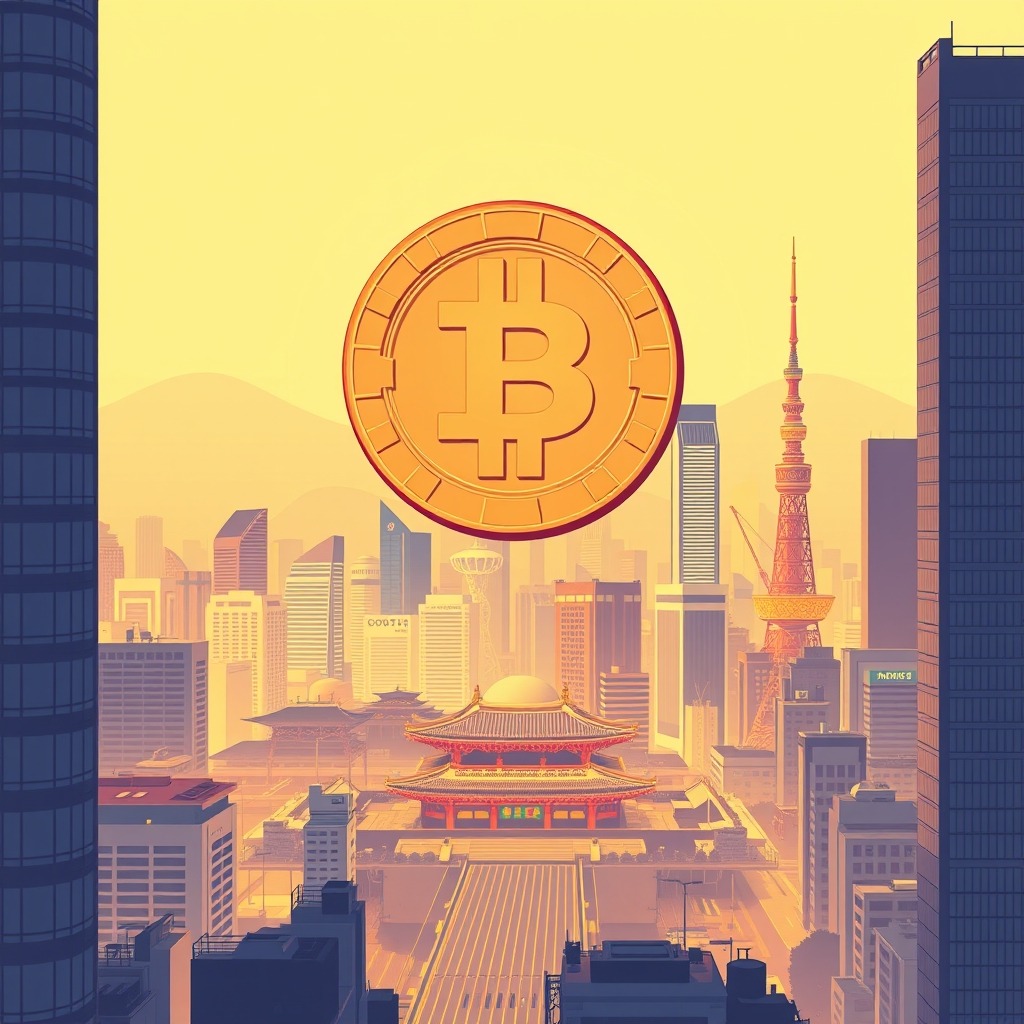
Tokenized stocks just picked up a serious new backer in Asia. Kakaopay Securities is working with Dinari and Ondo Finance to explore putting Korean-listed equities on-chain and opening them to investors in international markets. For traders, the move signals that real-world asset tokenization is spreading beyond US and European names into one of Asia’s most active retail markets — and that access to Korean equities could soon look very different.
What Happened
Kakaopay Securities, the brokerage arm tied to Korea’s dominant payments app, is teaming with two firms that specialize in bringing traditional securities on-chain. Dinari builds infrastructure for tokenized equities, while Ondo Finance has become one of the larger issuers in the real-world asset space. Together, the group is examining how to represent Korean-listed shares as blockchain tokens and make them available to a wider, cross-border pool of investors.


The plan is exploratory rather than a live product, but the participants are notable. A large domestic distribution channel paired with established tokenization rails is exactly the combination that has moved similar efforts forward elsewhere, echoing the model behind Coinbase’s tokenized stocks going live on Base with Chainlink.
What It Means for Traders
The headline appeal is access. Korean equities have historically been hard for foreign retail investors to reach directly, hemmed in by local market rules and settlement frictions. Tokenized versions could compress that gap, allowing round-the-clock exposure and settlement that does not wait for a single national exchange’s hours — the same 24/7 dynamic explored in Solana’s tokenized stock push.
The caveats are just as important. A token that tracks a stock is only as reliable as the custody, redemption, and legal structure behind it. Traders should scrutinize whether these instruments carry real shareholder rights, how they are backed, and which jurisdiction governs disputes. Liquidity is another open question: tokenized equities can trade thinly, and a market that promises 24/7 access does not guarantee tight spreads at 3 a.m.
The Bigger Picture
This is another data point in the slow migration of traditional assets onto public blockchains. The theme has been building across money market funds, US equities, and treasuries, but the utilization has often lagged the hype, a gap detailed in the $7B tokenized real-world assets utilization gap. A credible Korean on-ramp would broaden the geographic footprint of the trend and test whether Asian retail demand can turn tokenized equities from a niche into genuine volume.
Regulation will shape how far this goes. Korea has taken a measured stance on digital assets, and any tokenized equity product will need to fit both securities law and the country’s evolving crypto framework. The involvement of a mainstream financial brand suggests the parties intend to work inside the rules rather than around them, which is usually the difference between a lasting product and a short-lived experiment.
Conclusion
For traders, the Kakaopay initiative is worth tracking as a signal more than a trade. If a major Korean fintech can pair domestic reach with tokenization infrastructure and satisfy regulators, it would mark a meaningful expansion of the real-world asset map into Asia. The exploratory stage means there is time to study the structure carefully before any product goes live — and structure, not novelty, is what will decide whether tokenized Korean stocks earn lasting demand.
This article is informational only and does not constitute financial advice.