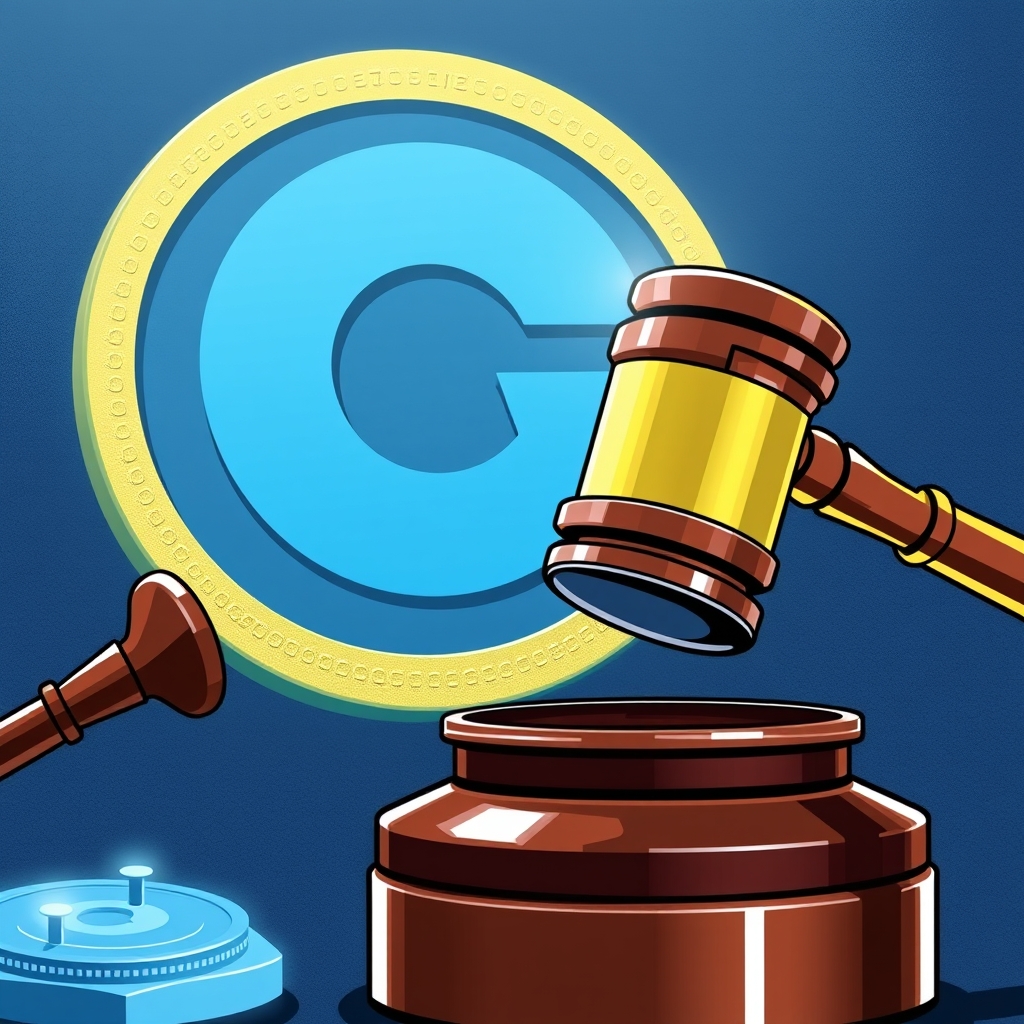
A proposed class-action over the Drift Protocol hack accuses USDC issuer Circle of failing to freeze stolen funds it allegedly had the power to blacklist. For traders, the case cuts to a question that sits under every stablecoin position: when a centralized issuer can freeze addresses, when is it obligated to, and what happens when it does not?
What Happened
Following an April exploit that drained roughly $280 million from Drift Protocol, affected users filed a proposed class-action against Circle. The suit accuses the company of aiding and abetting the conversion of stolen funds and of negligence.


The core allegation is that Circle had the technical ability to blacklist the attacker’s addresses and did not, allowing the stolen stablecoins to be moved and cashed out. The claim frames that inaction, not the original breach, as the basis for liability.
What It Means for Traders
Centralized stablecoins like USDC carry a freeze function by design, which is a feature for compliance and a risk for anyone assuming censorship resistance. This case tests how that power is expected to be used, and it applies to every holder, not just the parties in the exploit.
The outcome could push issuers toward faster, more frequent freezes to limit legal exposure. That would help victims recover funds in some cases, but it also raises the odds that legitimate balances get caught up in aggressive enforcement, a trade-off worth pricing into where you park stablecoin liquidity.
The Bigger Picture
The dispute lands on the fault line between DeFi’s permissionless design and the centralized issuers that supply much of its liquidity. Stablecoins are the settlement layer for a large share of on-chain activity, so how much responsibility their issuers carry for downstream misuse is a structural question, not a niche one.
A ruling that expands issuer duties would reshape how stablecoin providers monitor and respond to illicit flows. It could also accelerate interest in alternatives with different freeze designs, as users weigh compliance protection against control.
The Trader Takeaway
Watch this case as a marker for stablecoin risk, not just a single hack. The question of when an issuer must freeze funds affects the reliability and neutrality of the assets most traders use to move between positions. Understanding each stablecoin’s freeze policy is becoming part of basic risk management.
This article is informational only and does not constitute financial advice.