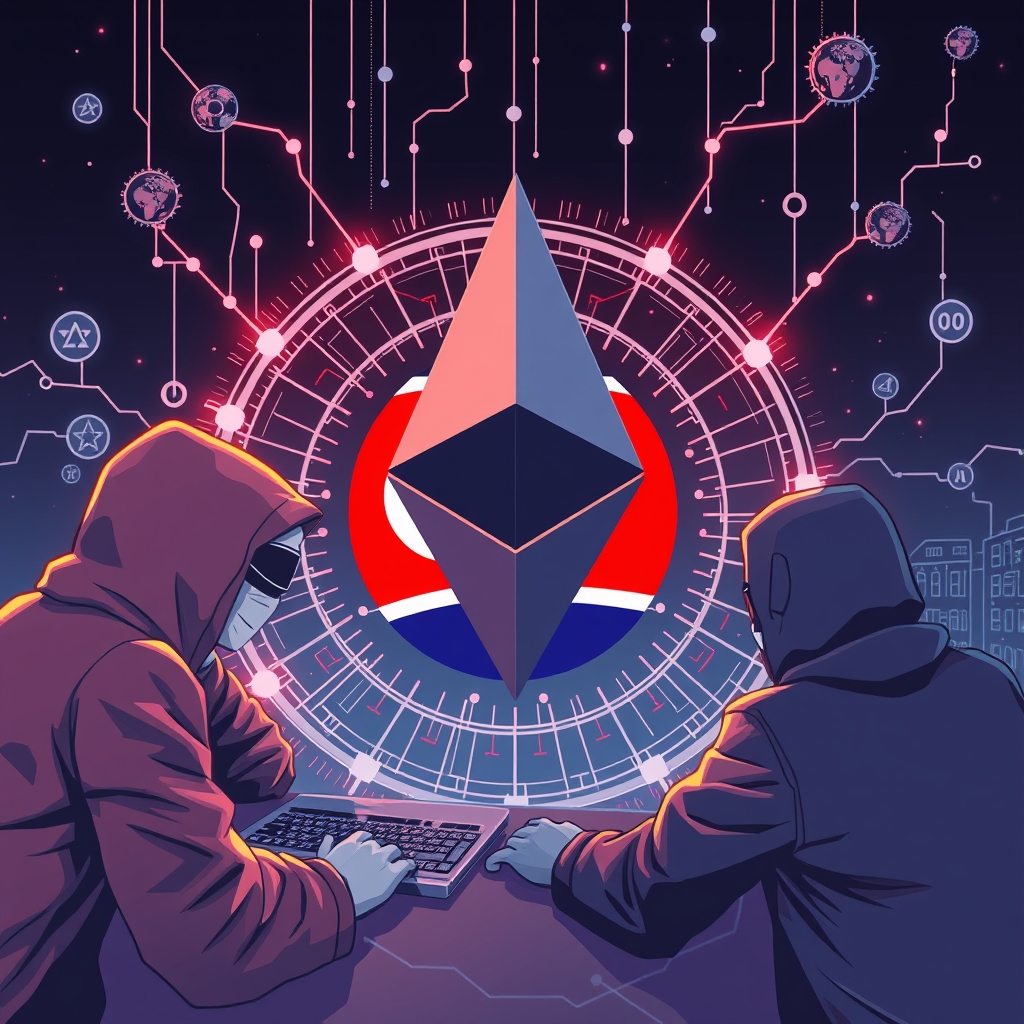
A program funded by an Ethereum Foundation stipend has identified 100 North Korean IT workers embedded across crypto teams and alerted roughly 53 projects that employed them. For traders, the DPRK crypto workers story is a reminder that a real risk to the tokens in your portfolio is not just market volatility but who is quietly writing and shipping the code behind them.
What Happened
The Ketman Project, backed by an Ethereum Foundation stipend, flagged 100 North Korean operatives working as IT contributors and notified about 53 projects that had employed them. Many of those workers were allegedly routing compensation back to sanctioned entities.

The program cross-references wallet history, commit patterns, and interview footage to identify operatives who had embedded themselves inside Web3 development teams. That method turns on-chain and off-chain signals into a way to spot infiltration that traditional hiring checks missed.
What It Means for Traders
Personnel risk is a fundamental risk. A project unknowingly employing sanctioned operatives faces legal exposure, potential fund mismanagement, and reputational damage that can hit token value regardless of the technology’s quality.
The scale here, 100 workers across dozens of projects, shows this is a systemic issue rather than a handful of isolated cases. When assessing a smaller-cap token, the integrity and transparency of its development team belongs on the checklist next to tokenomics and liquidity.
The Bigger Picture
The episode highlights a persistent tension in crypto: pseudonymous, remote-first development is a strength for openness but a weakness for security and compliance. The same conditions that let talent contribute from anywhere also let bad actors slip in.
That an Ethereum Foundation-linked effort is funding this kind of forensic work signals the ecosystem is treating infiltration as an infrastructure problem to be tackled collectively. Expect more projects to adopt stronger contributor verification as a baseline rather than an afterthought.
The Trader Takeaway
Factor team integrity into how you evaluate projects, particularly outside the largest names. A protocol’s exposure to sanctioned or hidden contributors is a real risk that can surface suddenly, and the projects investing in verification and transparency are the ones better positioned to avoid a damaging shock.
This article is informational only and does not constitute financial advice.