CoinEx has emerged as one of the most active offshore conduits for Iran’s crypto economy, reportedly processing billions of dollars in transfers with Iranian platforms — including more than $2.7 billion with OFAC-sanctioned exchange Nobitex since 2018. For traders, the story is less about one venue and more about how sanctions exposure now sits inside the plumbing of everyday crypto markets, where a single counterparty relationship can turn into regulatory and liquidity risk overnight.
What Happened
On-chain analysis of transfer flows describes CoinEx as a critical gateway between the global crypto market and Iran-based exchanges. The headline figure is the more than $2.7 billion in transactions linked to Nobitex, an Iranian exchange already designated by the US Office of Foreign Assets Control (OFAC). Those flows reportedly stretch back to 2018 and continued through periods of heightened geopolitical tension between Iran, Israel, and Western governments.


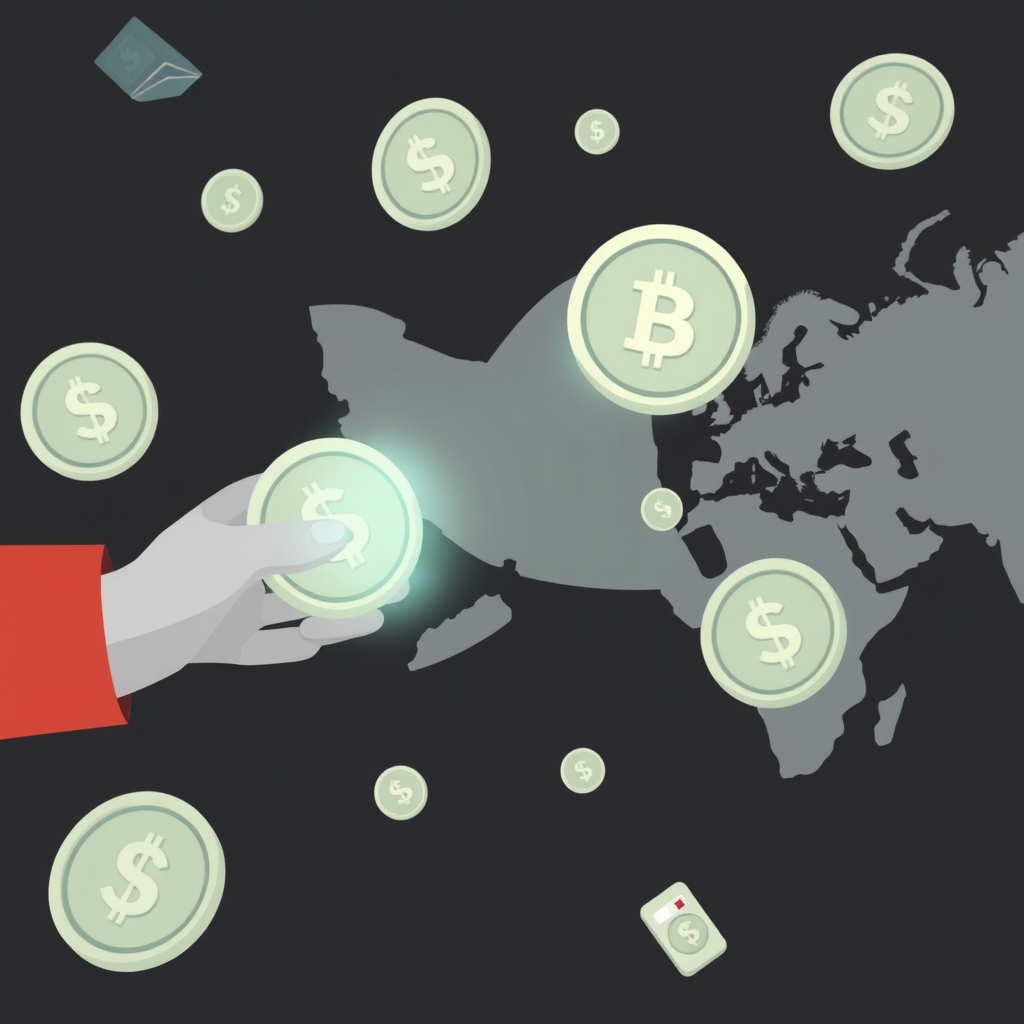
The mechanics are familiar. Sanctioned or restricted domestic platforms need a bridge to deeper global liquidity, and an offshore exchange with broad token support and light friction becomes that bridge. Stablecoins and major assets move across wallets, get swapped, and re-enter the wider market with their origin obscured. What makes this case notable is the scale and the persistence, not the novelty of the pattern.
What It Means for Traders
Sanctions risk is counterparty risk. When an exchange is tied to large sanctioned flows, it faces a credible threat of banking cutoffs, stablecoin freezes, delistings, and restricted access in regulated jurisdictions. Any of those can hit withdrawal reliability and spreads on the venues traders actually use, even if they never touched the sanctioned counterparty themselves.
The practical takeaway is to treat exchange selection as a risk decision, not just a fee decision. Concentrated balances on a venue with heavy geopolitical exposure are a form of unpriced tail risk. Diversifying custody, watching stablecoin issuer policies, and monitoring which platforms retain clean banking and licensing all matter more than they did a cycle ago.
There is also a liquidity dimension. If regulators or issuers move against flows routed through a major gateway, order books can thin quickly on affected pairs. Sudden compliance actions tend to arrive without warning, and the market impact is felt first in slippage and stablecoin depeg scares rather than in headlines.
The Bigger Picture
The CoinEx case lands as Western regulators sharpen their focus on how crypto rails intersect with sanctioned economies. Stablecoin issuers now freeze addresses routinely, blockchain analytics firms map flows in near real time, and licensing regimes such as the EU’s MiCA framework raise the bar for which venues can legally serve regulated users. The offshore gateway model that thrived in a looser era is running into a tighter one.
None of this means the flows stop. Demand for censorship-resistant value transfer is exactly what crypto was built to serve, and sanctioned users will keep seeking exits. But the friction, surveillance, and legal exposure around those exits are rising. The long-term effect is a widening gap between compliant, transparent venues and the shadow rails that route around them — a split that shapes where serious liquidity ultimately consolidates.
Conclusion
For traders, the CoinEx and Iran story is a reminder that the venue behind your orders carries a compliance profile that can move markets. As sanctions enforcement tightens and analytics improve, the exchanges that keep clean banking, clear licensing, and defensible flows are the ones most likely to stay liquid and accessible. Knowing your counterparty risk is now part of knowing the market.
This article is informational only and does not constitute financial advice.