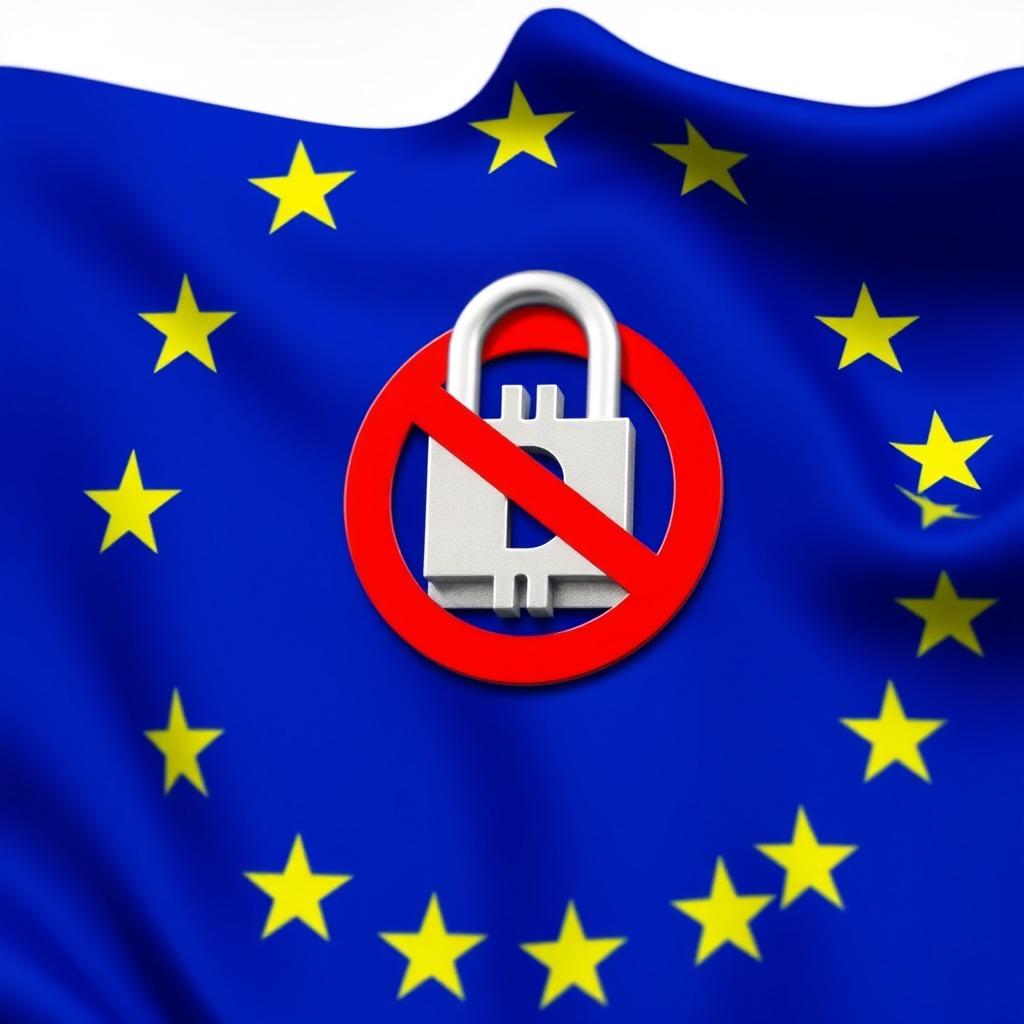
The EU sanctions on HTX mark a new phase in how Europe polices crypto’s role in sanctions evasion. The bloc placed Huobi Global S.A., the entity behind the HTX exchange, under a transaction ban as part of its 21st sanctions package adopted on July 23, widening a Russia-focused crackdown that has already reached counterparties beyond the exchange itself. For traders, it is a clear signal that regulators are now targeting the rails money moves through, not just the wallets at the ends.
What Happened
The European Union added Huobi Global S.A. to its latest sanctions package, imposing a transaction ban that takes effect on August 23. From that date, EU operators will be prohibited from transacting with the exchange. The measure is part of a broader effort to choke off financial channels tied to Russia, and analysts tracking illicit flows have noted that the network under scrutiny keeps shifting its financial rails to stay ahead of enforcement.


That cat-and-mouse dynamic is central to the story. Blockchain analytics firms have documented how sanctioned actors rotate between exchanges, tokens, and intermediaries to obscure the trail. By naming a specific corporate entity and setting a hard compliance date, the EU is trying to force regulated businesses to cut ties before the funds can be rerouted again.
What It Means for Traders
Sanctions on a major exchange ripple outward. Traders and businesses inside the EU that use or interact with the named entity face a firm deadline to unwind exposure, and counterparties that touch the flagged flows can find themselves caught up in compliance reviews even if they were not the intended target. Liquidity can fragment as regulated venues distance themselves from anything linked to the sanctioned network.
The practical lesson is that platform risk is now partly geopolitical. Where an exchange is domiciled, who it banks with, and which flows pass through it all matter for whether it stays accessible in your jurisdiction. We have seen enforcement reshape the landscape before, from the moment the UK shut down the $20B Xinbi scam market to cases where US prosecutors sought $26.4M in crypto forfeiture. Each action narrows where illicit money can hide — and occasionally where legitimate users can trade.
The Bigger Picture
The HTX action fits a global trend of regulators treating crypto infrastructure as strategic terrain. Sanctions bodies increasingly rely on blockchain analytics to map networks in near real time, then move against the entities that give those networks access to the traditional financial system. The goal is not just to freeze funds but to raise the cost and complexity of moving value across borders.
This tightening is happening alongside a broader push to formalize crypto rules worldwide, a direction reflected in ongoing debates like the one over US crypto ethics rules and the CLARITY Act. As frameworks mature on both sides of the Atlantic, exchanges that cannot demonstrate clean compliance will find the regulated world increasingly closed to them.
Conclusion
The EU’s move against HTX shows enforcement maturing from chasing wallets to severing the financial rails that make evasion possible. For traders, the takeaway is to treat compliance and jurisdiction as core parts of platform risk, not afterthoughts. As sanctions regimes grow more sophisticated, the exchanges that survive will be the ones that can prove exactly whose money they handle.
This article is informational only and does not constitute financial advice.