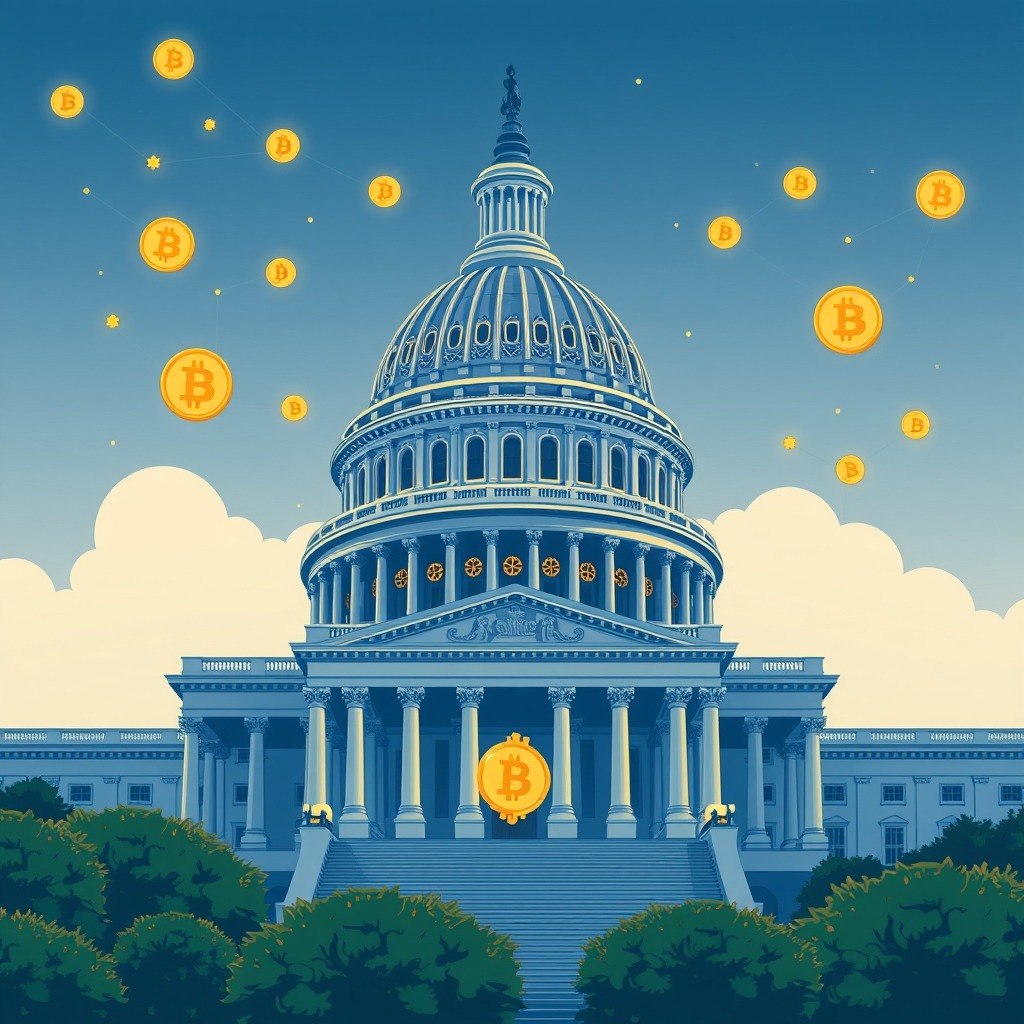
The CLARITY Act, crypto’s best shot at a federal market-structure framework, has slipped off the Senate’s near-term schedule just days before lawmakers break for summer recess. With the calendar tightening and no floor vote booked, the bill now faces a narrow procedural window that traders reading regulatory risk should watch closely.
What Happened
The Digital Asset Market Clarity Act has already cleared the House and a Senate committee, but it still lacks a floor vote, a cloture motion, and a date on the calendar. When it failed to appear on the chamber’s schedule heading into the first week of August, it left backers scrambling against a recess that begins around August 7. Negotiators had circled early August as the effective deadline for keeping a 2026 passage realistic.


The mechanics are unforgiving. A standard floor vote requires procedural filings days in advance, so each day without a scheduled motion narrows the paths that remain. Faster routes exist through a bipartisan agreement or unanimous consent, but both demand a level of cross-aisle cooperation that a crowded pre-recess agenda has not left room for. Senate leadership has signaled it does not expect the bill to reach the floor before the break.
What It Means for Traders
Regulatory timelines are a real input for crypto positioning, and this one has been repricing in public. Prediction-market odds on the bill becoming law in 2026 have slid from a February peak above 80% to roughly the high-20s to mid-30s, a steep discount that reflects how quickly the procedural math has soured. Desks that had penciled in a clearer US rulebook as a second-half catalyst are now marking that assumption down.
The practical read is that regulatory clarity, the kind that defines when a token is a security versus a commodity, stays unresolved for longer. That ambiguity tends to weigh most on assets whose legal status is contested and on US-listed products waiting for a cleaner framework. It is the same overhang we tracked when research desks cut the bill’s odds as Senate time ran short, and the delay simply extends that uncertainty into the autumn.
The Bigger Picture
A missed pre-recess window is not the same as a dead bill. Legislation of this scope often stalls, gets reworked, and returns, and the CLARITY Act has survived several such detours already, including the late-stage push for new changes that drew White House pushback. The recess mainly resets the clock rather than closing the door, though every reset raises the odds that the calendar bleeds into an election-shortened session.
The wider context is a policy environment that has grown more supportive in tone even as it stalls in execution. Momentum earlier in the year, including moments when the bill appeared to near a vote with high-profile backing, showed that the appetite for a framework exists. What is missing is floor time, and floor time is a scarce resource competing against sanctions packages and a backlog of nominations.
For traders, the takeaway is patience over prediction. The bill’s fate now hinges on procedural maneuvering that can shift within hours, and the market has already absorbed much of the disappointment through falling odds. Watching whether leadership carves out a path after recess, rather than fixating on this week’s missed slot, will give a cleaner signal on where US crypto policy is actually heading.
This article is informational only and does not constitute financial advice.